Mud Extractions Des Moines Drivers Trust
Click to Call
515-290-4188
In Des Moines and the surrounding Polk County region, getting stuck in the mud is more than just a minor inconvenience, it’s a seasonal reality. From the spring thaw in April to summer’s sudden downpours and the early winter freeze-thaw cycles in October and November, saturated soils across Central Iowa create hidden traps for cars, trucks, and SUVs. At Central Iowa Towing & Recovery, our Des Moines Towing services are built for exactly these conditions, delivering fast, damage-free mud extractions when time and safety matter most. We’ve seen it all, from compact cars trapped inches deep in loamy clay near Gray’s Lake to lifted trucks buried in soft berms off Army Post Road. With highly specialized equipment and deep local knowledge, our team provides rapid recovery across the city when every minute counts.
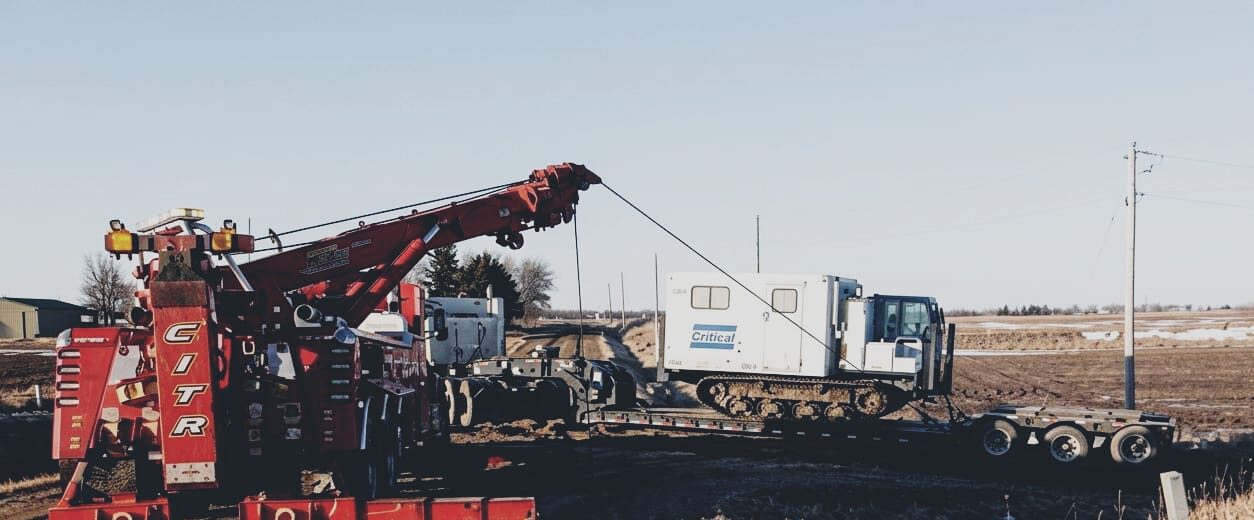
Our operations are finely tuned to the area’s geography and traffic patterns. We know the trouble zones, muddy shoulders along I-35, soft gravel patches at the Hummel Park entry, and soggy fields near Saylorville Lake after rains. Winter brings its own challenges, when daytime thaws and nighttime freezes turn roadsides into slick hazards. This same level of precision and preparedness carries over into our Motor Coach Towing Des Moines service, where large vehicle recovery requires careful planning, route awareness, and specialized equipment to handle extended weight and length safely. Whether it’s a roadside emergency or planned transport, our dispatch team coordinates fast response from our Des Moines HQ.
Why Des Moines Drivers Rely on Central Iowa Towing & Recovery for Mud Extractions
Des Moines drivers know that not all towing services are created equal. When you’re stuck in the muck, a standard tow truck simply won’t cut it—you need more:
- Purpose-built recovery units: We use low-ground-pressure rigs and rotating booms, ideal for soft terrain and tight rural spots.
- Advanced traction tools: Winches, airbag lifting systems, heavy-duty recovery boards, and recovery mats ensure safe, controlled pulls.
- Damage prevention: Winch harnesses connect to chassis lifts to protect bumpers and suspension from mud-riddled snags.
- Local terrain mastery: Our crews regularly handle extractions in rural driveway ruts, fairground lots, and wetland-adjacent access tracks.
- Dependable arrival times: Rain or shine, daytime or night—our active fleet and real-time dispatch system minimize your wait.
What Happens When You Call Central Iowa Towing & Recovery
When you reach out to us, we go into action immediately:
- Rapid local dispatch: We pinpoint your location—whether on I‑80 near Altoona, at Gray’s Lake, or along 2nd Ave—using GPS-aided routing to avoid traffic and muddy shortcuts.
- Vehicle assessment: Our mobile team arrives with a depth gauge, cable, and boom. We assess mud density, soil load, chassis attachment points, and environment (e.g., slope, nearby traffic).
- Stabilization: We position wheel chocks and tension mats to prevent sinking, then gently winch to align the vehicle for extraction.
- Controlled extraction: Winching is performed slowly at a 30° angle from a secure recovery point, avoiding jerking that could damage alignments, catalytic converters, or undercarriage components.
- Post-extraction care: We check the brakes, test four-wheel-drive systems, offer a quick rinse service if required, and—if your vehicle’s too muddy to drive—we’ll provide a flatbed transport service.
Our Mud Extraction Services in Des Moines
Central Iowa Towing & Recovery offers a comprehensive suite of mud recovery services tailored to varied vehicle types and conditions:
- Passenger vehicles: Compact cars with low clearance often need delicate extraction near curbside ditches or loose gravel shoulders.
- Trucks, SUVs & lifted vehicles: Oversize tires and high centers require high-capacity winching and chassis-level lifting airbags.
- Commercial vans & small U-Hauls: Heavier units may sink deeper—reinforced snatch points and equipment are essential.
- E-bikes & motorcycles: We extract two-wheelers from soft grass or field edges, then clean and inspect for chain or electrical damage.
- Fleet & commercial recovery: Serving local contractors and ag haulers, we offer scheduled dispatch for common mud hotspots.
Equipment and Safety Measures We Use
Ensuring safe, clean extractions requires the right toolkit and safety mindset:
- Low-ground-pressure recovery rigs with stabilizing outriggers
- Winches rated from 10k–50k lbs with remote control
- Air-lift bags for gradual hoists in soft soils
- Traction boards & sand mats for tread grip
- Heavy-duty snatch straps & protected shackles
- Wear gear: gloves, steel toes, hi‑vis vests, and barricade cones
- Ongoing staff training on load stabilization, soil evaluation, and vehicle recovery best practices
- “Slow Down, Move Over” traffic compliance mandated by Iowa state law during roadside operations
Example: A Des Moines Customer We Helped
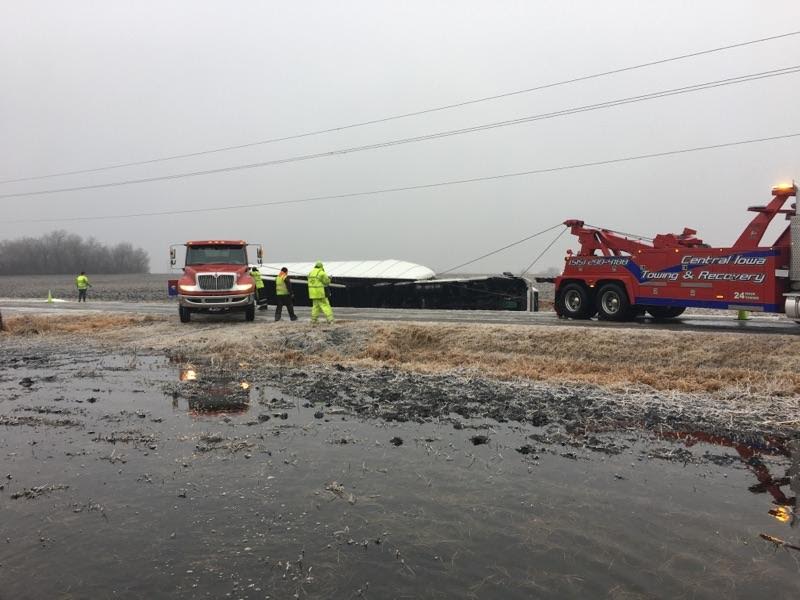
A few weeks ago, during a midday thunderstorm, a commuter’s compact crossover slid off the shoulder of I-235 near Fleur Drive. While visibility was poor and the crossover was stuck in deep, water-saturated clay, our Des Moines team arrived in less than 18 minutes. We positioned a recovery rig on stable ground, anchored a 20k-lb winch to the vehicle’s reinforced jacking point, deployed traction mats under the tires, and performed a slow, angled extraction using an airbag lift to prevent undercarriage damage. Within 12 minutes, the vehicle was back on I-235, the brakes were checked, and the driver was safely on their way. The customer told us, “I couldn’t believe how seamless and fast and safe the whole process was, even in the middle of a squall.” This real-world incident highlights our focus on rapid response, controlled extraction, and courteous service. In more complex recoveries where vehicles cannot be moved immediately, we also coordinate secure holding through our Semi-Truck Storage Des Moines solutions to ensure safety until full recovery or transport is arranged.
Our Estimated Arrival Times in Des Moines
At Central Iowa Towing & Recovery, timing can make all the difference. Our dispatch zones and fleet strategy yield predictable arrival windows:
- Within Des Moines city: 15–25 minutes average response
- Polk County suburbs (Urbandale, West Des Moines, Ankeny): 25–40 minutes
- Rural perimeter (Johnston, Carlisle, Pleasant Hill): 35–50 minutes
- Nighttime & peak hours: Slightly longer, but priority scheduling ensures under 45 minutes in most cases
Emergency Tips to Stay Safe While You Wait
While you wait for help, prioritize safety—especially during muddy conditions:
- Exit to safety, then move uphill or off-road away from busy traffic.
- Alert traffic: Turn on hazards, place flares or cones at 30-foot intervals.
- Don hi-vis gear before exiting—wet roads and poor visibility hide roadside hazards.
- Avoid rapid wheel revs—spinning wheels can dig deeper and damage transmission.
- Don’t ride the brakes; they may overheat in mud.
- Call dispatch updates: Let us know if weather worsens, your location shifts, or your condition changes.
- Stay warm/dry: Keep interior heaters on, carry blankets during spring/fall mud season.
- Animal awareness: Rural Des Moines roads may bring deer or livestock—stay alert.
- Know the Iowa “Slow Down, Move Over” law: drivers must slow or switch lanes when near emergency services.
- Document conditions: Take photos of mud depth and terrain—this helps with insurance and future prevention planning.
Mud Recovery Insights from Our Night Shift Crew
Here’s what they reported:
- Most extractions happen between 9:30 p.m. and 1:00 a.m.—especially after summer concerts at Water Works Park or when rural parties in Norwalk or Prairie City end in surprise downpours.
- The riskiest areas at night? Shoulders along Highway 65 and near Easter Lake Park, where mud pools next to steep ditches.
- Flashlight hazards: “People flash us with cell lights—blinding. Use your dome light and stay in your vehicle until we arrive,” says Kyle, a lead operator.
- Vehicle type most likely to get stuck overnight: “Honestly, it’s SUVs. Drivers think AWD makes them mud-proof, but weight and momentum work against them in Iowa’s clay-based soil.”
Local Law Breakdown & Seasonal Safety Challenges
Des Moines motorists should be aware of relevant regulations and seasonal hazards:
- Iowa Code §321.318 requires drivers on multi-lane highways to yield space to emergency and recovery vehicles. This helps us operate safely on busy roads like I‑235 or US‑69.
- Freeze-thaw terrain in early November creates unstable edges—overnight frost followed by daytime warmth triggers slumps into ditches.
- April’s “mud season” peaks when post-season cornfield traffic and spring rains intersect, leaving soft shoulders along county gravel roads.
- Extreme summer flash flood zones (e.g., areas near Walnut Creek) can suddenly swamp rural lanes and urban floodplains.
Towing for Unusual Vehicle Types & Community Resources
Beyond mud extractions, our team is equipped to handle unconventional recovery scenarios:
- Lifted trucks and off-road rigs: We are familiar with raised suspensions prone to chassis damage if pulled incorrectly.
- Electric vehicles (EVs) and hybrids: We employ insulated recovery straps and avoid battery housing damage.
- Motorcycles and e-bikes: These lighter machines require cradle supports, chain tension checks, and lubrication following extraction.
- RV campers: Dual-wheel alignment and drag resistance are considered when pulling from sticky campsites near Lake Red Rock during peak seasons.
Frequently Asked Questions
A mud extraction is a non-standard recovery requiring traction mats, specialized winches, low-ground-pressure rigs, and skill to pull a vehicle stuck in loose, water-saturated soil—without damage.
Coverage varies. Some comprehensive or roadside assistance plans include it; others don’t. We provide vehicle condition documentation during service to help with potential claims.
Attempting extraction without the right tools or technique can worsen sinking or damage your vehicle. You also risk slipping into the roadway—professional extraction is safer and faster.
Don’t immediately accelerate—test brakes and drivetrain while driving slowly (under 25 mph) for the first mile. Avoid deep waters or unpaved surfaces for at least 24 hours.
Costs depend on soil conditions, vehicle type, location, extraction time, and complexity. We provide clear estimates upfront and do not charge hidden fees for mileage inside Polk County.
Yes—we can advise on tire pressure adjustments, traction board usage, safe exits to avoid ditch trapping, and local seasonal risk zones.
In rural areas or near waterways, we deploy ground protection mats under recovery rigs, limit soil disturbance, and restore native soils where mats are used.Our network begins with Off Road Recovery Des Moines, supporting drivers in every terrain. From fast Up Righting Des Moines to careful Mud Road Recovery Des Moines, we keep you moving safely.
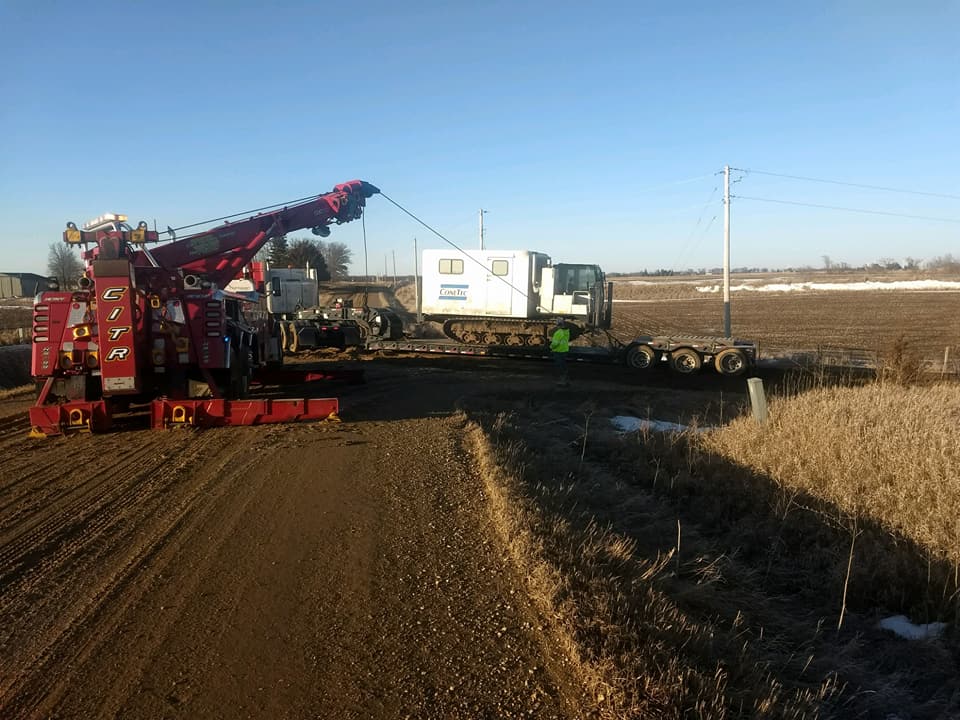
Call Central Iowa Towing & Recovery Now for 24/7 Mud Extractions in Des Moines
When you’re stuck in the mud, every minute counts. Central Iowa Towing & Recovery offers fast, safe, comprehensive mud extraction in Des Moines—backed by advanced recovery equipment, deep local knowledge, and steadfast commitment to public safety. Call us now—available 24/7 for emergency dispatch. Our team will walk you through on-scene safety, get you out quickly, and ensure your vehicle is ready to go.

 L D
L DTrustindex verifies that the original source of the review is Google.
Rob was so helpful and supportive and patient on the phone. Tyrone was so positive and upbeat at 6am on a Saturday. He was quick and responsive to coming out and to my questions and getting me information. Highly recommend them if you need a tow. Nick ShengeliaThank you !!!
 Trystan LagoVery impressed with this company. They did what we asked of them in a timely manner and quoted us a fair price. We recommend.
 Kenne CleghornJosh was quick and super nice, he came and picked up my vehicle and had it delivered in less than 45 minutes. Easy service and highly recommended. Thank you so much!!
 Savannah HontsJosh and the woman on the phone both fantastic!! Very accommodating and helpful, always recommend them!!
 Brandon FredericksenCalled these guys last minute to move 9 scissor lifts. Was a little nervous at first. The guys showed up knew exactly what they were doing got them all transported no issues. Couldn't have been happier with the work. Will definitely continue using them. Great job guys!
 Bob PetersonExcellent service! I have used them multiple times. I decided to use another local company for some foolish reason. I scheduled a week out. The other company canceled the morning of pickup. I then called Central Iowa Towing. They came to the rescue once again… in less than an hour! Never again will I Go elsewhere. You folks are very clutch when people need you. Thank you!!
 Adrianna SaricAlways on top of it and made sure my scheduled tows were there on timeVerified by TrustindexTrustindex verified badge is the Universal Symbol of Trust. Only the greatest companies can get the verified badge who has a review score above 4.5, based on customer reviews over the past 12 months. Read more
FEATURED SERVICES
Mobile Mechanic Services available for Des Moines, Ames, Marshalltown and all of Central Iowa
to help you with your Mobile Car Services, Semi BreakDowns and any other Mobile Mechanical Services you may
need for cars, trucks, semi trucks… etc call our main dispatch number 24/7 for emergency roadside assistance.
Vehicle Lockouts, Gas or Fuel Delivery if you have “Ran out of Gas“, Help With A Tire Change, Mobile Flat Tire Assistance.





“My partner slid off of an exit ramp near Story City. Patrick was out there in 20 minutes and got the car out quickly and expertly out of a drainage ditch. He even followed us up to the local gas station to make sure that the car still drove without any problems. I’m incredibly satisfied with the service — fair price, kind people, and expert service!”
Ames Location
Phone: 515-290-4188
Des Moines Location
Phone: 515-290-4188
Marshalltown Location
Phone: 515-290-4188